Exploring Contemporary Design Ideas for Your Home
When it comes to creating a home that feels both fresh and timeless, embracing contemporary design ideas can make all the difference. Whether you are building a new home or renovating an existing one, understanding the latest trends helps you make choices that reflect your personality while ensuring your space remains functional and inviting for years to come. I want to share some insights into what’s shaping modern living spaces today, so you can feel confident in your design decisions.
Embracing Clean Lines and Open Spaces
One of the most defining features of contemporary design is its focus on simplicity and openness. Clean lines create a sense of order and calm, which is especially important in busy lives. You’ll often see straight edges on furniture, cabinetry, and architectural details. This approach avoids unnecessary ornamentation, allowing the beauty of materials and shapes to shine through.
Open floor plans are another hallmark. They encourage natural light to flow freely and make rooms feel larger. For example, combining the kitchen, dining, and living areas into one seamless space promotes togetherness and flexibility. You can easily rearrange furniture or add new elements without feeling boxed in.
To bring this idea into your home, consider:
Choosing furniture with sleek profiles and minimal detailing.
Using neutral colors like soft grays, whites, or beiges as a base.
Incorporating large windows or glass doors to connect indoor and outdoor spaces.

How to Incorporate Contemporary Design Ideas in Your Home
If you’re wondering how to start integrating contemporary design ideas, it’s helpful to focus on a few key areas. These elements work together to create a cohesive and modern look.
1. Materials and Textures
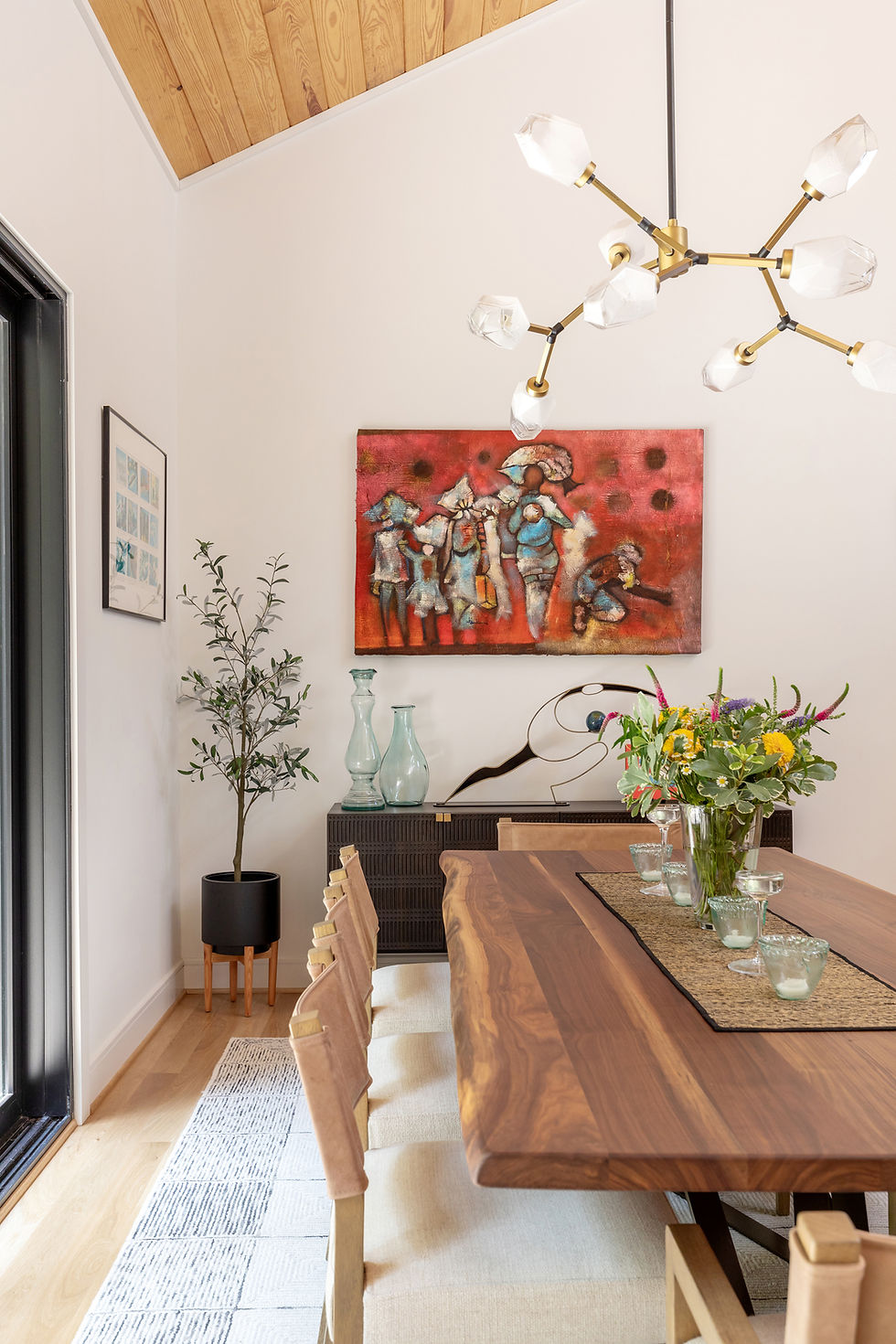
Mixing materials adds depth and interest without clutter. Think about pairing smooth surfaces like polished concrete or glass with warmer textures such as wood or natural fibers. For example, a wooden dining table with metal legs can become a striking centerpiece. Using natural materials and adding in textures is one of my favorite ways to bring character and visual interest to a space, without creating clutter or chaos.
2. Color Palette
While neutral tones dominate, don’t shy away from pops of color. Accent walls, cushions, or artwork in bold hues like navy blue, emerald green, or burnt orange can energize a room. Just keep these accents balanced so they don’t overwhelm the space.
3. Lighting
Lighting plays a crucial role in setting the mood. Modern fixtures often feature geometric shapes or minimalist designs. Layer your lighting with a mix of overhead lights, task lamps, and ambient sources to create a warm and inviting atmosphere. Lighting can add a lot of character to a room, and is a positive way to add in aspects of different design styles.
4. Functional Furniture
Choose pieces that serve multiple purposes or offer smart storage solutions if your room is small. For example, ottomans with hidden compartments or modular sofas that can be rearranged easily help keep your home organized and adaptable.
The Role of Sustainability in Modern Home Design
Sustainability is no longer just a buzzword; it’s a vital part of how we think about home design. Many contemporary homeowners want to reduce their environmental impact while enjoying beautiful spaces. This means selecting materials and products that are eco-friendly and durable.
Here are some practical ways to incorporate sustainability:
Use reclaimed or responsibly sourced wood for flooring and furniture.
Select energy-efficient windows and appliances.
Choose low-VOC paints and finishes to improve indoor air quality.
Incorporate plants to enhance air purification and add natural beauty.
By making these choices, you not only create a healthier home but also contribute to a more sustainable future.
Personalizing Your Space with Art and Accessories
While contemporary design leans toward minimalism, personalization is key to making your home feel truly yours. Art and accessories offer a wonderful way to express your style without cluttering the space.
Consider these tips:
Select a few statement pieces rather than many small items.
Use large-scale artwork or sculptures to create focal points.
Incorporate textiles like rugs and throws in interesting patterns or textures.
Rotate accessories seasonally to keep your home feeling fresh.
Remember, the goal is to complement the clean lines and open spaces, not compete with them.
Creating a Comfortable and Authentic Home Environment
At the heart of contemporary design is the desire for comfort and authenticity. Your home should be a place where you feel relaxed and inspired. This means balancing aesthetics with practicality.
Think about:
Choosing furniture that invites you to sit and stay awhile.
Designing spaces that accommodate your daily routines and hobbies.
Incorporating natural light and ventilation to enhance well-being.
Using colors and materials that resonate with your personal taste.
By focusing on these elements, you create a home that is not only stylish but also welcoming and true to who you are.
Exploring modern home design trends can be an exciting journey. With thoughtful choices and attention to detail, you can craft a living space that feels both current and timeless. Whether you are starting fresh or updating your home, these ideas offer a solid foundation for creating a beautiful, comfortable environment that reflects your lifestyle.


